Some cookies used are essential to providing a service, while others help us improve your experience and provide us with insights into how the site is being used.
For more detailed information about the cookies we use, see our Cookies page.
Necessary cookies enable core functionality such as security, network management, and accessibility. You may disable these by changing your browser settings, but this may affect how the website functions.
We'd like to set Google Analytics cookies to help us to improve our website by collecting and reporting information on how you use it. The cookies collect information in a way that does not directly identify anyone. For more information on how these cookies work, please see our 'Cookies page'.
We'd like to allow Social Media cookies to provide a richer experience. These cookies will allow us the ability to list Fife Council tweets and Facebook posts, Google maps, audio clips & Videos on some of our pages. Our videos use Youtube's privacy-enhanced mode.
These cookies allow us to show relevant adverts to the content you are viewing. They also provide the ability to deliver targeted online advertising across other platforms like Facebook, Google, Instagram and the Quantcast network.
The Children (Scotland) Act 1995 underlines the importance of children being raised within their families, including extended families, wherever possible. Many families resolve difficulties with the help from their extended family, friends, but sometimes they also need some additional support.
Here, you will find guidance on your rights and responsibilities, recognising signs of abuse, and understanding child protection processes. You can also find essential information and resources to help you ensure the safety and wellbeing of your children.
Under the Children (Scotland) Act 1995, parents have several responsibilities and rights:
The European Convention on Human Rights sets out a number of rights common to all people. Article 8 emphasises the right to respect for private and family life, ensuring that any interference by public authorities is lawful and necessary.
Getting It Right for Every Child (GIRFEC) is Scotland’s national approach to improving outcomes for children and young people. It ensures that every child receives the right help at the right time from the right people. GIRFEC promotes coordinated support from various services to address the needs of children and their families effectively.
Fife's Child Wellbeing Pathway supports practitioners to work in partnership with children, their families, and other services responding to wellbeing needs and concerns. It promotes an early intervention approach with the involvement of children young people and families.
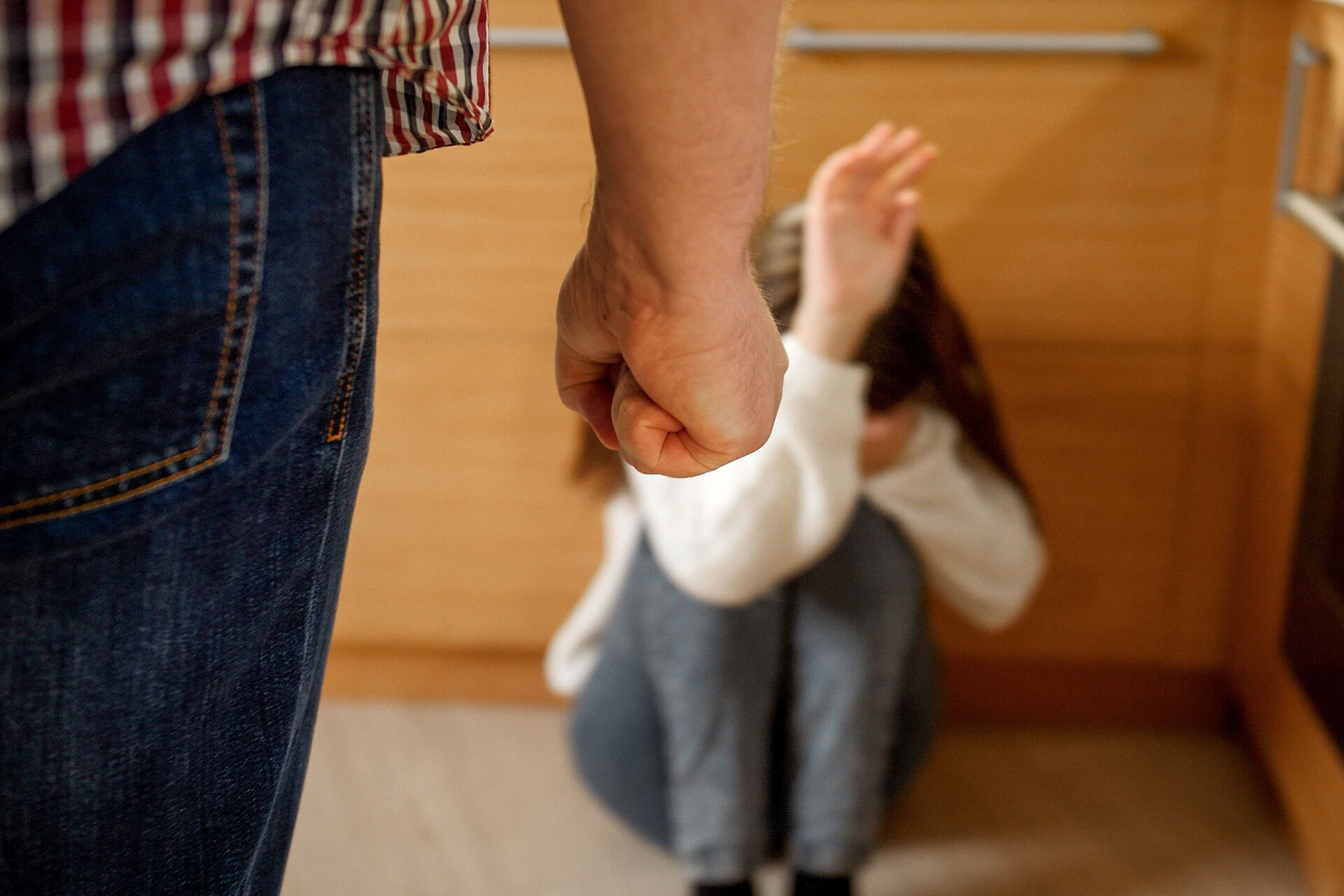
Recognising the signs of abuse is crucial. These can include unexplained injuries, changes in behaviour, fear of certain individuals, or poor hygiene and nutrition.
Child abuse can take many forms, including:
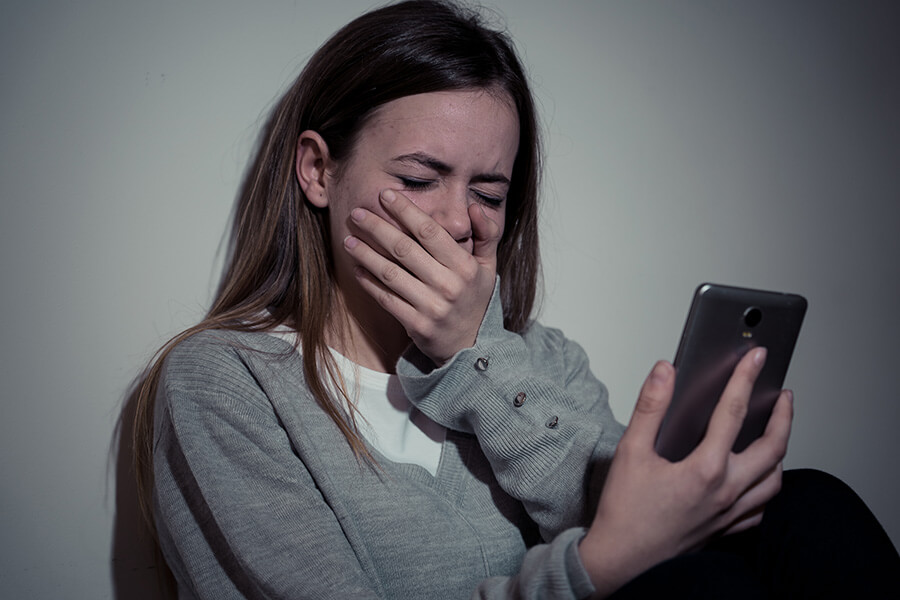
Abuse that occurs through the internet, including grooming, exploitation, and cyberbullying
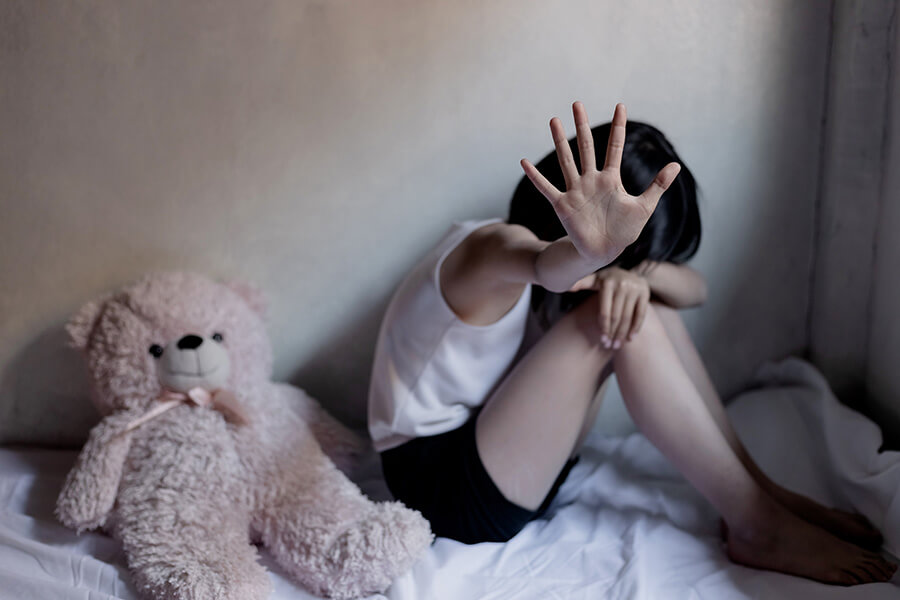
A form of sexual abuse where children are manipulated or coerced into sexual activities, often in exchange for money, gifts, or affection.
Understanding child protection processes can help you navigate them effectively:
The goal of child protection is to work collaboratively with families to ensure children’s safety and wellbeing while supporting parents to create a safe environment. Detailed information can be found at Child Protection System for Scotland - NSPCC Learning
There are many resources available to help parents and carers:
Locally, projects like Safe, Strong and Free work with nursery and primary schools to help children stay safe. They focus on issues such as bullying, strangers, and secrets using age-appropriate tools and language.
For further information on keeping children safe online, visit CEOP and Stop It Now!
Additionally, the Solihull Online resource offers free courses for all families in Scotland, focusing on nurturing relationships and understanding child behaviour. Use the access code TARTAN to access these courses here.